Employees & what matters most to them.... #9
- Adrian Dionisio - business737 owner

- Nov 19, 2020
- 3 min read
Updated: Mar 25, 2024

Beyond the financial reasons of working, what is the leader behaviour that matters most to employees? Worldwide research has shown that respondents ranked respect as the most important.
“Respect is like air. As long as it’s present, nobody thinks about it. But if you take it away, it’s all that people can think about.”
Business owners naturally have the respect of others due to their position. As a result they may not think about the importance of respect. Employees however are extremely aware when it is absent.
Year after year employees are reporting more disrespectful and uncivil behaviour. A lack of respect can have serious consequences throughout a business, whereas a respectful work environment can enhance productivity and profitability.
Respect has a ripple effect throughout an organisation and is very important because of the associated positive or negative outcomes.

Lack of respect and the unwanted consequences
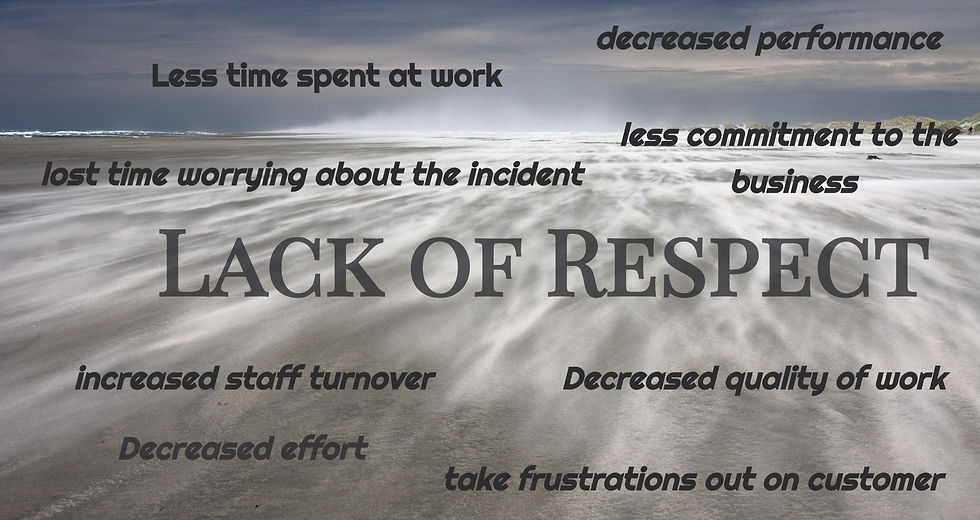
Employees treated with a lack of respect tend to decrease the amount of time spent at work and reduce their effort. Work time is lost due to worrying and ruminating over particular incidents, which decreases productivity.
A lack of respect in the workplace causes many problems ranging from inefficiency, increased stress, a negative impact on the workplace environment and employee retention.

Disrespectful behaviour in the workplace can take many forms, from subtle comments, raised voices or name calling, to physical fighting. Disrespect causes the recipient to experience fear, anger, shame, confusion, uncertainty, isolation, self-doubt, depression, and a whole host of physical ailments such as insomnia, fatigue, nausea, and hypertension.
In the absence of respect employees feel disconnected and this creates a work environment where problems fester. Disrespectful treatment often spreads among fellow workers and is ultimately taken out on customers. “Awful” places to work more often than not have “awful” customer service.
People are less likely to buy from any business that has an employee perceived as rude. Even if the rudeness is not directed at them, the customer will often turn away. A lack of respect also causes creativity to suffer, and deteriorates team spirit and performance.
Respect and positive outcomes
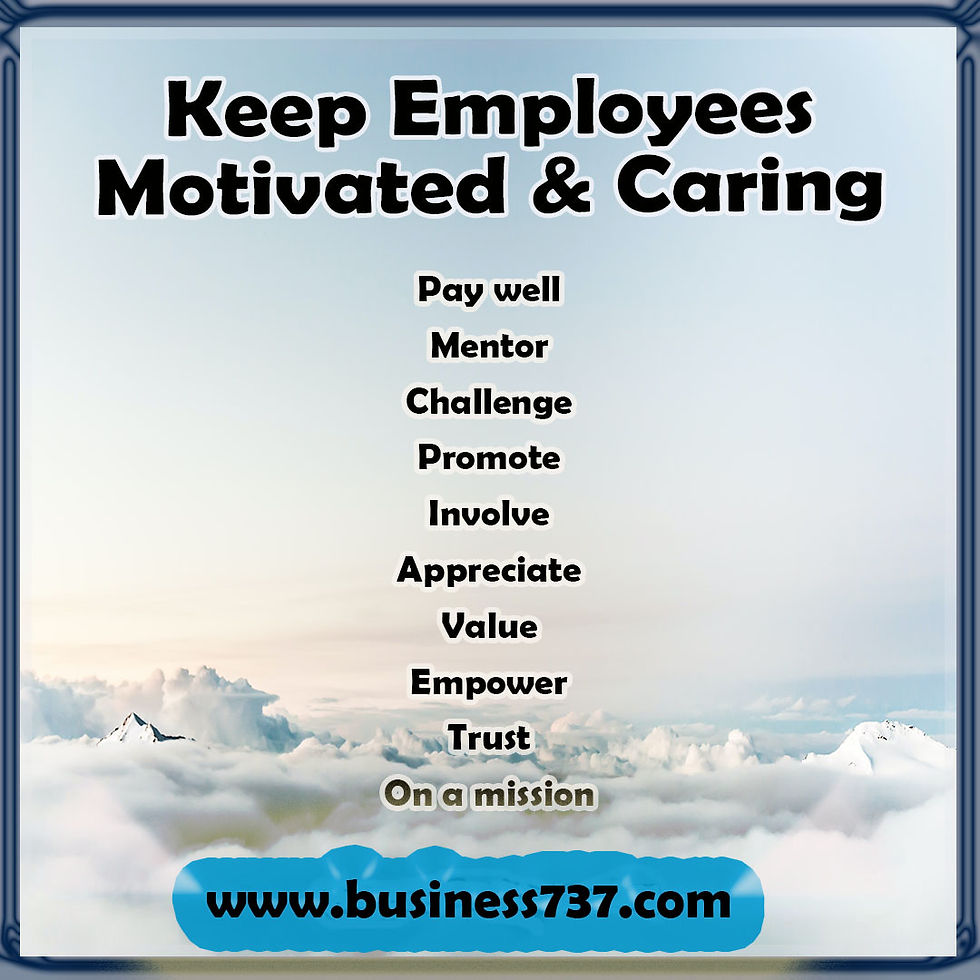
There are specific behaviours that convey respect such as active listening, valuing diverse backgrounds and ideas. Leaders can show respect by being open to advice and suggestions, as well as by delegating important tasks and responsibilities.
Don’t underestimate the importance of taking an interest in employees non work lives. Also backing them in critical situations and giving them freedom to pursue creative ideas shows you respect and have faith in them
.

A respectful workplace brings enormous benefits from the top down. Employees who feel respected are more grateful and loyal. They are generally more satisfied with their jobs and more likely to take direction from their leaders.
They are more resilient, cooperate more with others, perform better and are more creative. Respect is an important feedback mechanism and helps anyone feel they are growing professionally and becoming better versions of themselves.
“See respect as a time saver not a time waster”
Leadership behaviours are often reflected throughout an organisation as it is no different with respect (or as we will see later, a lack of). This mimicking trickling from the top down can shape the way employee treat customers, industry partners and members of the community.
Employees want to do their best for people they’re respected by
Respect is essential when creating a high performance environment. It is advisable for business owners and managers to create a shared sense of social identity, vision and target values.
Success should be celebrated and effort validated. Something which may seem simple, like respecting your employees, can have a major affect throughout a business. This, in turn, will have wide ranging impacts on overall performance and success.